
How is your building doing?
ICI records what a building has, the conditions acting on it, and what you can show for each. It says plainly how every answer is known.

Every house is a set of systems. A roof, a furnace, a panel, a water heater. ICI records what is there, how you know it, and what is still unknown.
What a check looks at
What the building has
Its systems and their age. Heating, cooling, hot water, the electrical panel, the roof.
What is acting on it
The conditions where it sits, each reading shown with its station, period and publisher.
What you can show for it
Which answers rest on a record, which rest on memory, and which are still unknown.
This is what you get
One dated document about one building. The systems it has, what each answer rests on, and what is still unknown. You can print it or keep it.
- Supporting record reported
- You told us a document exists for this. ICI does not receive or verify documents.
- Best-known answer
- Your best recollection, recorded as exactly that.
- Unknown
- Not answered. A gap in the record, never a fault in the building.
-
Why this reads Excellent. An installation year was given and a supporting record was reported for it, so the result rests on a dated record rather than on memory. ICI has not received or verified that record.
-
Why this reads Fair. An age was given from memory, with no supporting record reported. Age alone is not a defect and nothing here says the system will fail. It is far enough into its life that planning is reasonable.
-
Why there is no result. The question was not answered, so there is nothing to read. A gap is shown as a gap and is never counted against the building.
An example, not a real building. Each row opens to say what the reading rests on.
What a Condition Profile tells you
A few minutes of questions produce a dated document about one building. You can print it or keep it.
- What is installed
- The systems the building has, how old they are, and what kind each one is where you know it.
- What your answers rest on
- Each answer shows whether you reported a supporting record or answered from what you know. ICI does not receive or verify documents.
- What is missing
- Gaps are listed as gaps. Information you did not have is never counted as a fault in the building.
- What to do next
- A short list, split into what is safe to do yourself and what needs a qualified tradesperson.
How next steps are organized
- Things to record
- Paperwork to find. No trade needed.
- Things to look at
- Safe to check yourself.
- Things for a qualified tradesperson
- Work that needs someone licensed.
Free tools that use what you already know
Each one shows the source behind what it tells you.
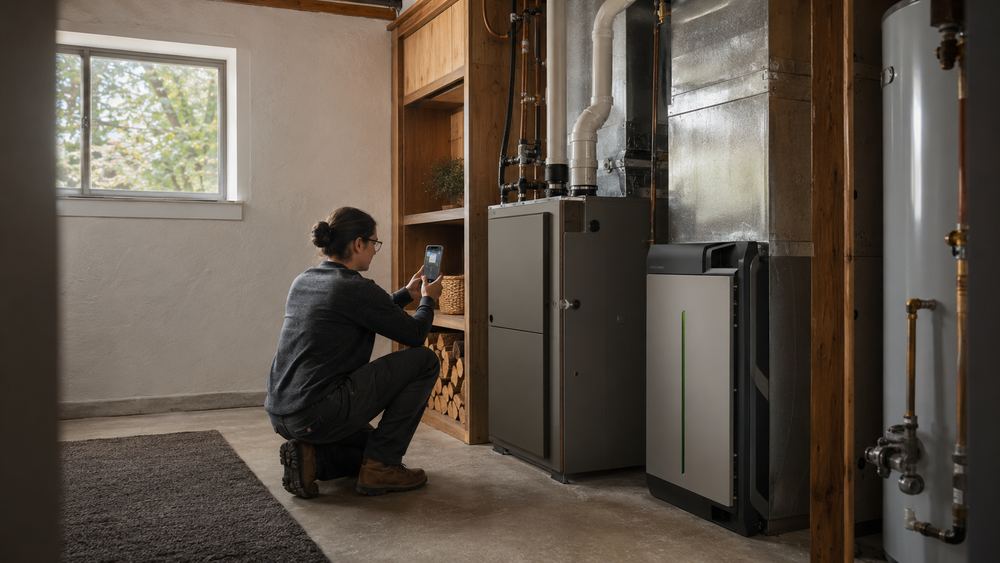
Seasonal Building Readiness
What to consider reviewing each season, how local conditions relate to the systems a building has, and questions to ask. Includes a printable sheet to take to a contractor.
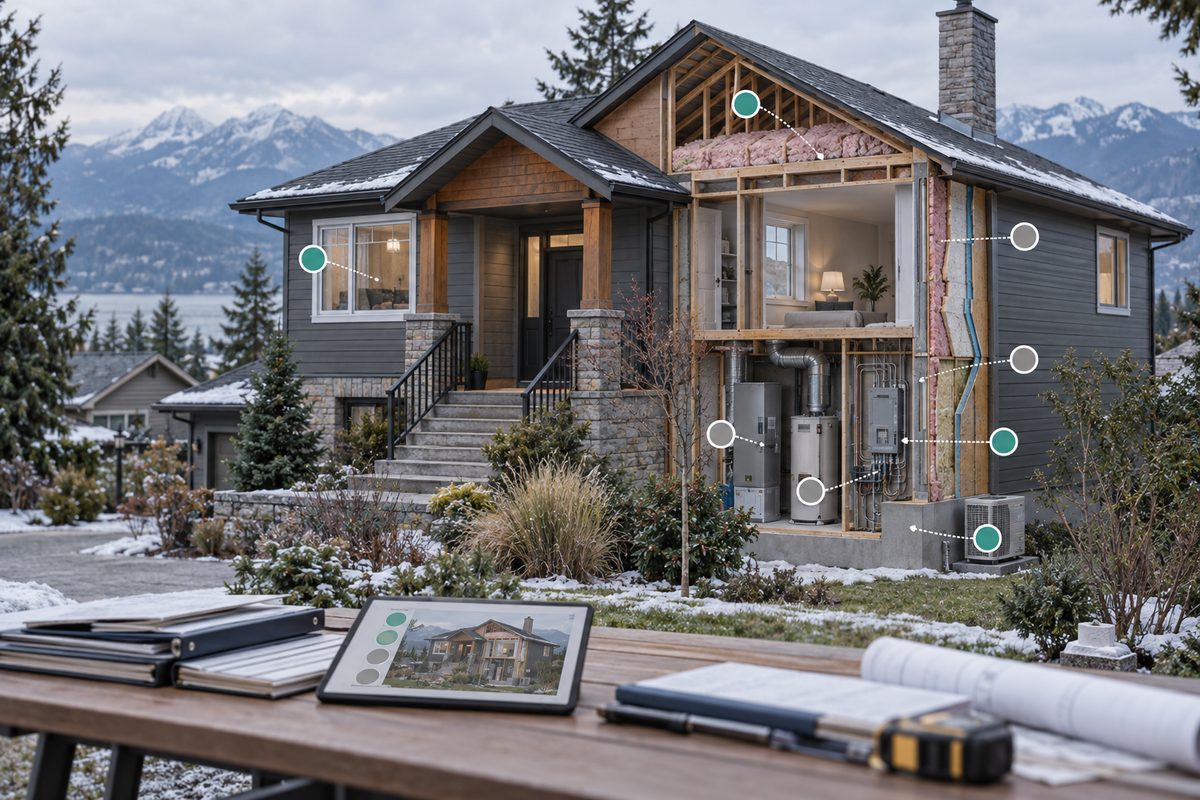
Retrofit Readiness Profile
What building information you already have and what is still missing before speaking with an energy adviser or applying to a program, with the Building Information Gap Index.
Building Operating Conditions Brief
How governed local conditions may relate to the systems a building has, each reading shown with its station, period and publisher.
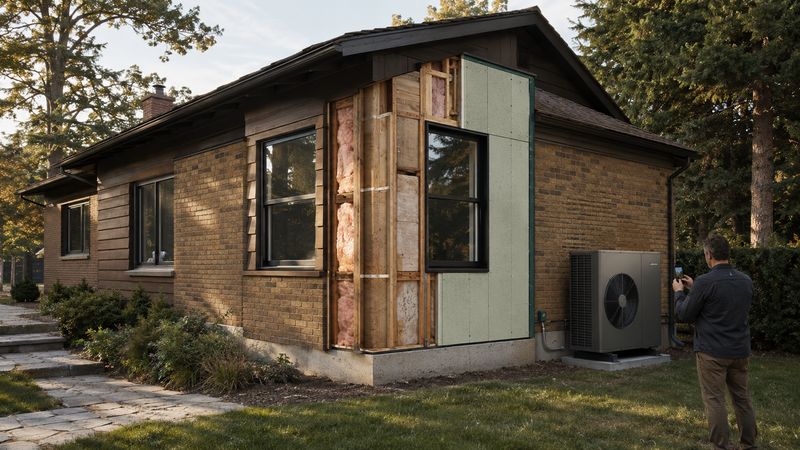
Compare two quotes
Set two contractor quotes side by side: the equipment and size, what each includes, the warranty, and what each one leaves unstated.
Warranty registration record
Which equipment warranties are registered, which are not, whether they transfer to a new owner, and where the documents are.
Buying: what to ask the seller for
The documents and history worth asking for before you buy a home or a building, and a record of what came back.
Site information request
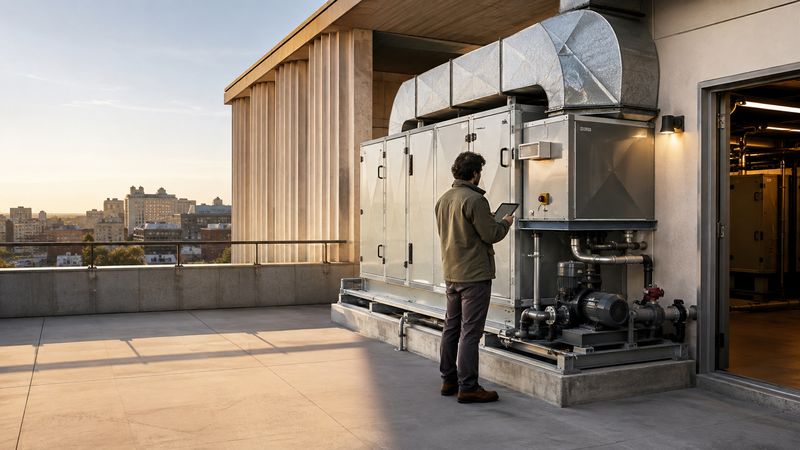
A one-page sheet for site staff to record each system, one building at a time.
Equipment lookup
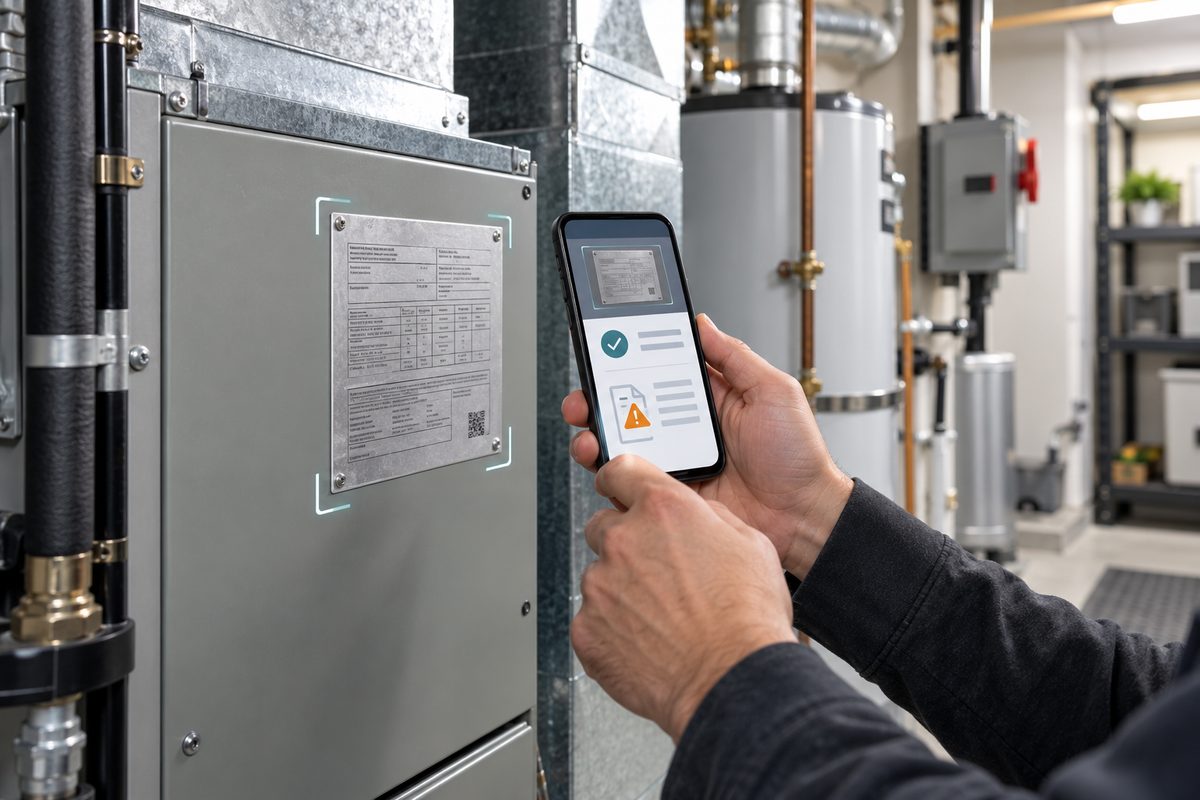
What is recorded about a manufacturer, brand or model, the official recall notices held, and how to read a rating plate.
ICI turns changing local conditions into practical building actions
A local condition, what it may touch in a building, and what someone can check. Building Alerts will bring this to you for the area you choose, with a way into the ICI tools that go further.
-
Extreme cold
- What it may touch
- Heating, plumbing and exterior walls
- What to check
- Where water lines run through unheated spaces or exterior walls, and whether there is a backup heat source.
-
Heavy rain
- What it may touch
- Roof drainage, the sump pump and below-grade spaces
- What to check
- From a safe spot, that visible drains and downspout outlets are clear, and when the sump pump was last tested.
-
Freeze-thaw
- What it may touch
- Exterior walls, sealants, flashings, foundations and drainage
- What to watch
- Photograph and date sealants, masonry joints and flashings from the ground, and note where water sits against the building.
Building Alerts is in early access. It is not operating yet and no alerts are being sent. Local conditions describe an area, not your building, and never change a Condition Profile result.
Explore local conditions
Published measurements for Canada and the United States, each with its station, period and publisher.
See it for a real place
Optional. Enter the first three characters of a Canadian postal code, or a five-digit United States ZIP. ICI uses the location information submitted here to provide local context and may retain submitted information to operate and improve the service. See our Privacy Policy for details.
What the Almanac holds, and what it does not
The Building Almanac holds published measurements for Canada and the United States. Select a place to see extreme heat, extreme cold, freeze–thaw, snowfall and heavy rainfall for it, each with the station it came from, the period it covers and who published it.
Local conditions describe an area, not your building, and never change a Condition Profile result. This is separate from checking a building.
Canada and the United States
A preview. The Almanac holds the readings and the evidence behind each one.
- Canada · ECCC normals
- United States · NOAA normals
- Extreme heat
- Extreme cold
- Freeze–thaw
- Snowfall
- Heavy rainfall
Each country is shown on its own scale in its own published unit. Nothing is converted, and the two are not compared.

Start with one building
A few minutes, and a dated Condition Profile you can keep or print. Where something needs a trade, it tells you what to raise with a qualified professional.
Free to use. You choose whether to save a profile.